

From a fragmented digital landscape to a unified product ecosystem
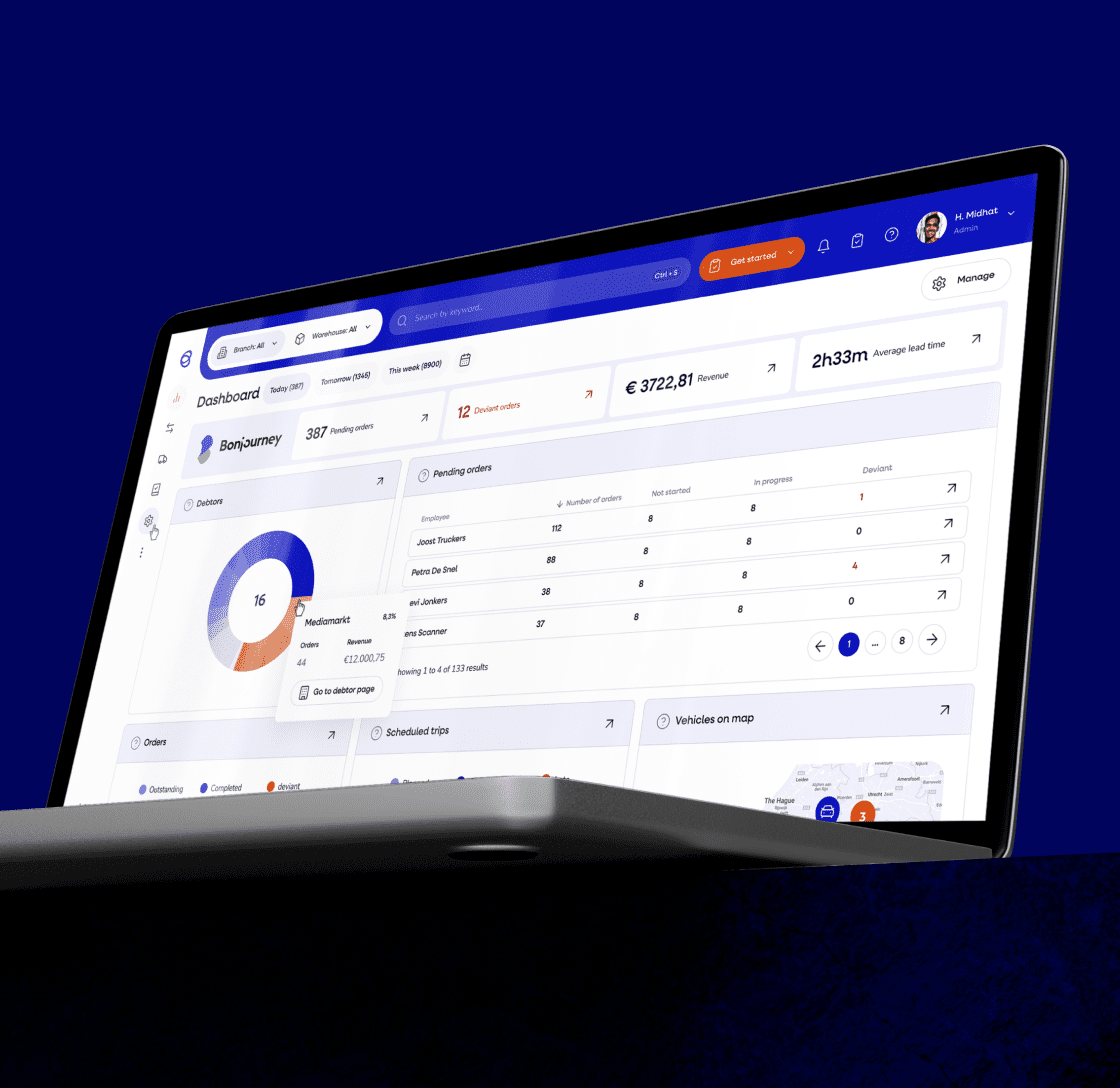
We helped Rigter restructure and connect their SaaS platform, native apps and digital channels, with Babeldat positioned as the core of the system.
SaaS Platform
Native Apps
Websites
Knowledge Base
Challenge
A significant part of the logistics processes still relied on legacy software that was functionally ahead of its web-based counterparts. Users had to switch between systems, workflows were inconsistent, and the overall landscape was difficult to scale toward the future.
Approach
We started by mapping the entire ecosystem. From there, we defined one shared product logic. Based on that foundation, all products were redesigned, with Babeldat as the strategic and functional anchor.
Activities
Inventory workshop, market, process and product analysis, rebranding, client interviews, SaaS platform redesign, driver and warehouse app design, user testing, stakeholder management
Summary
Rigter operates in logistics IT solutions for transport and warehouse processes within a TMS and WMS context. Years of growth resulted in an ecosystem of SaaS solutions, native apps and legacy software. Functionally strong, yet increasingly complex to manage and evolve.
This project focused on creating one unified product logic across the ecosystem. We improved the core digital products and aligned them around a shared structure. With Babeldat as the central product, we designed a future-ready ecosystem in which web-based software, native apps and supporting channels reinforce each other rather than operate in parallel.
Our approach
Inventory workshop
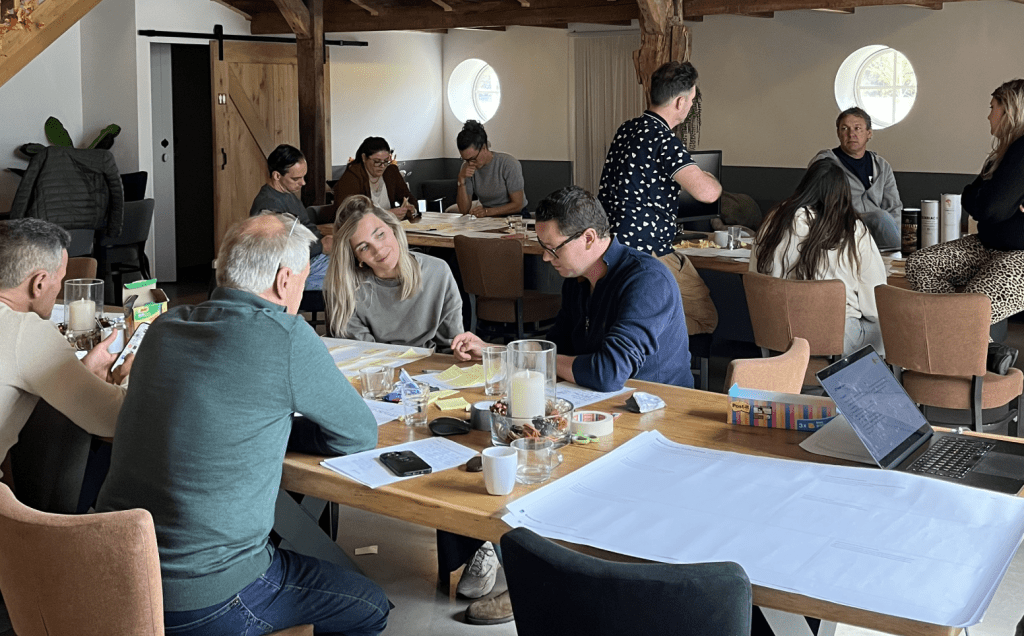
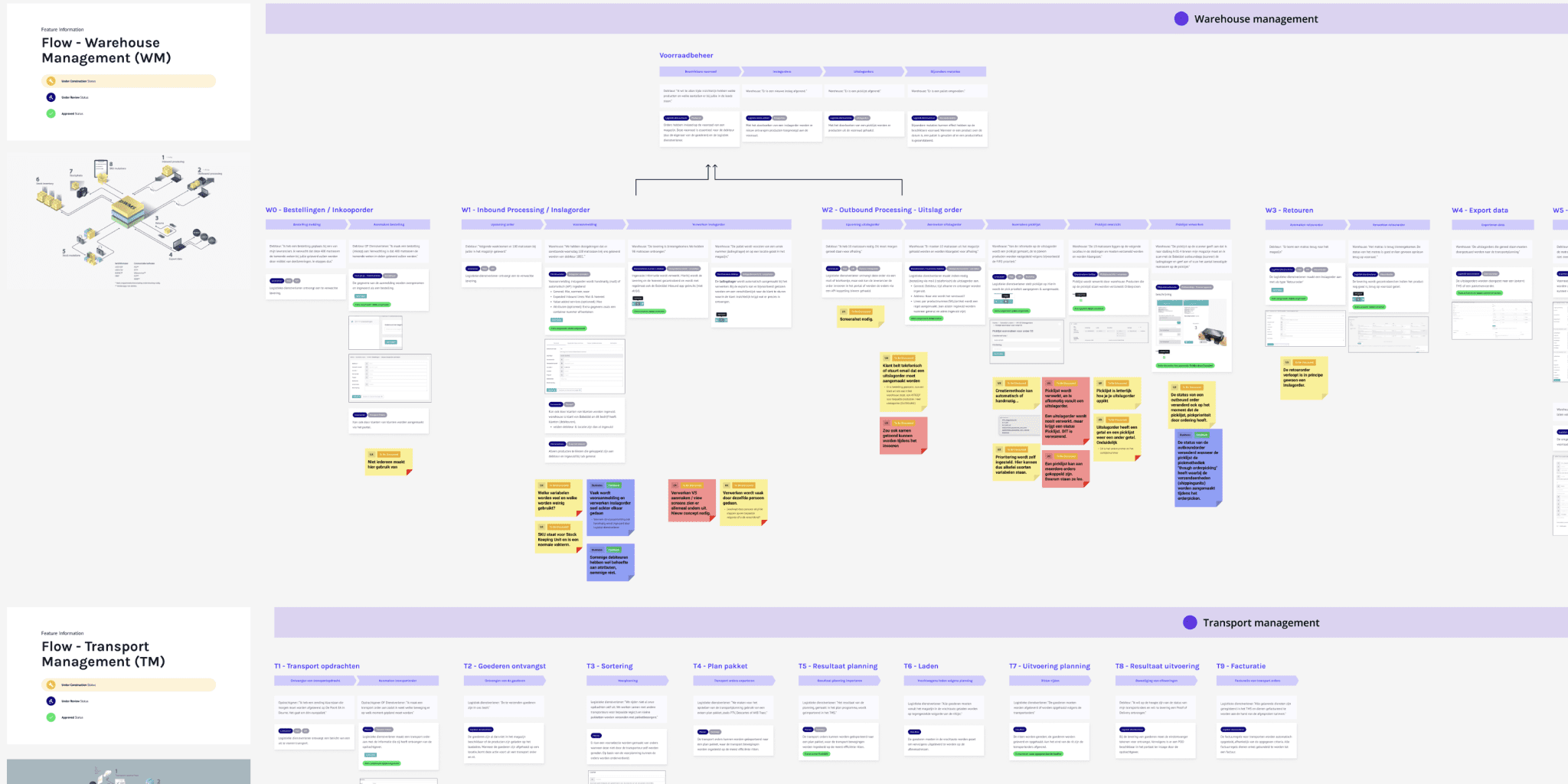
We began with a joint inventory of all digital products, processes and user groups. This provided insight into overlap, dependencies and where friction occurred most frequently.
Market & process analysis
By analysing logistics workflows within TMS and WMS environments, we identified where legacy software added value and where web-based solutions fell short. These insights informed structural product decisions.
Product analysis
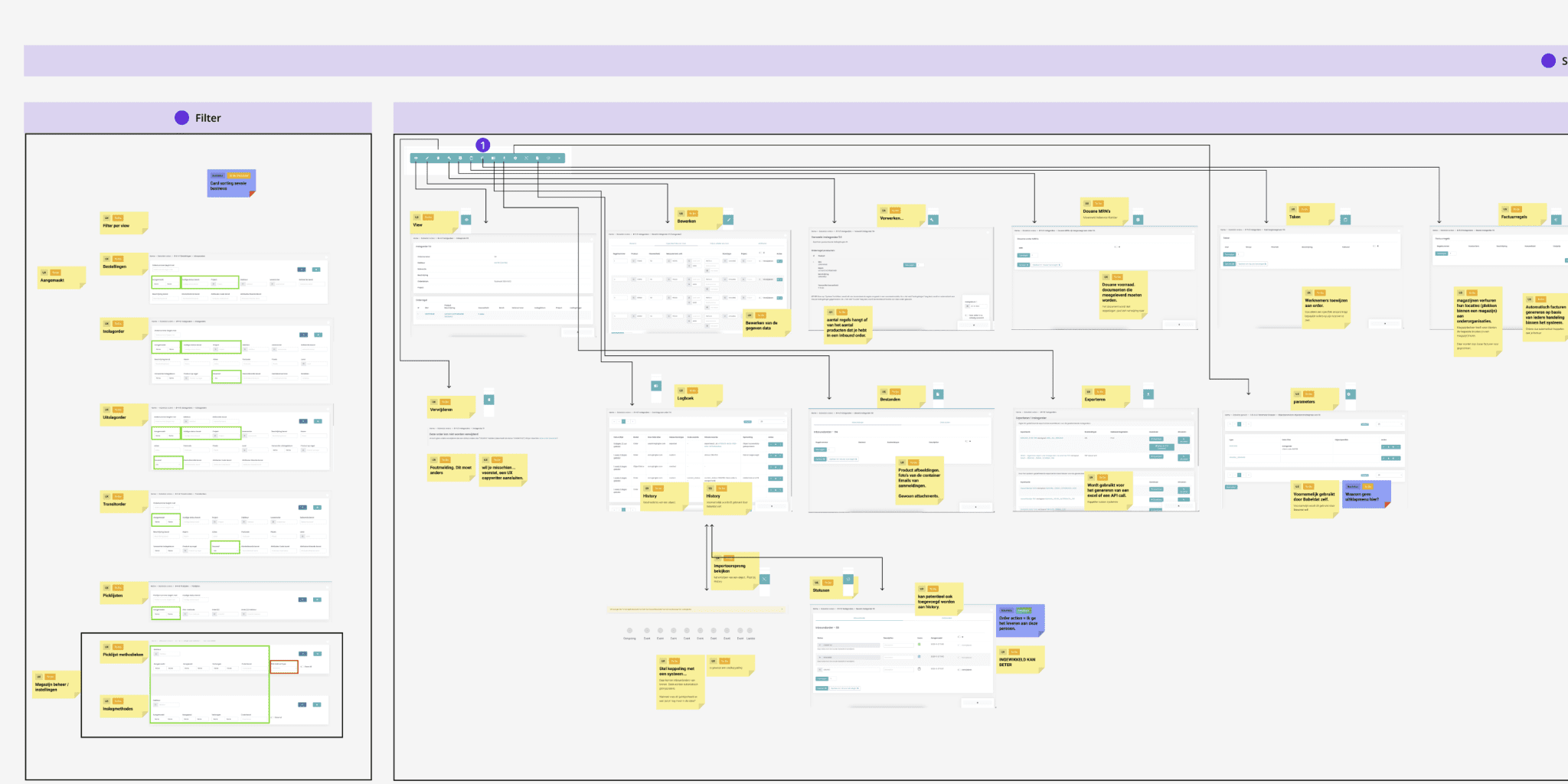
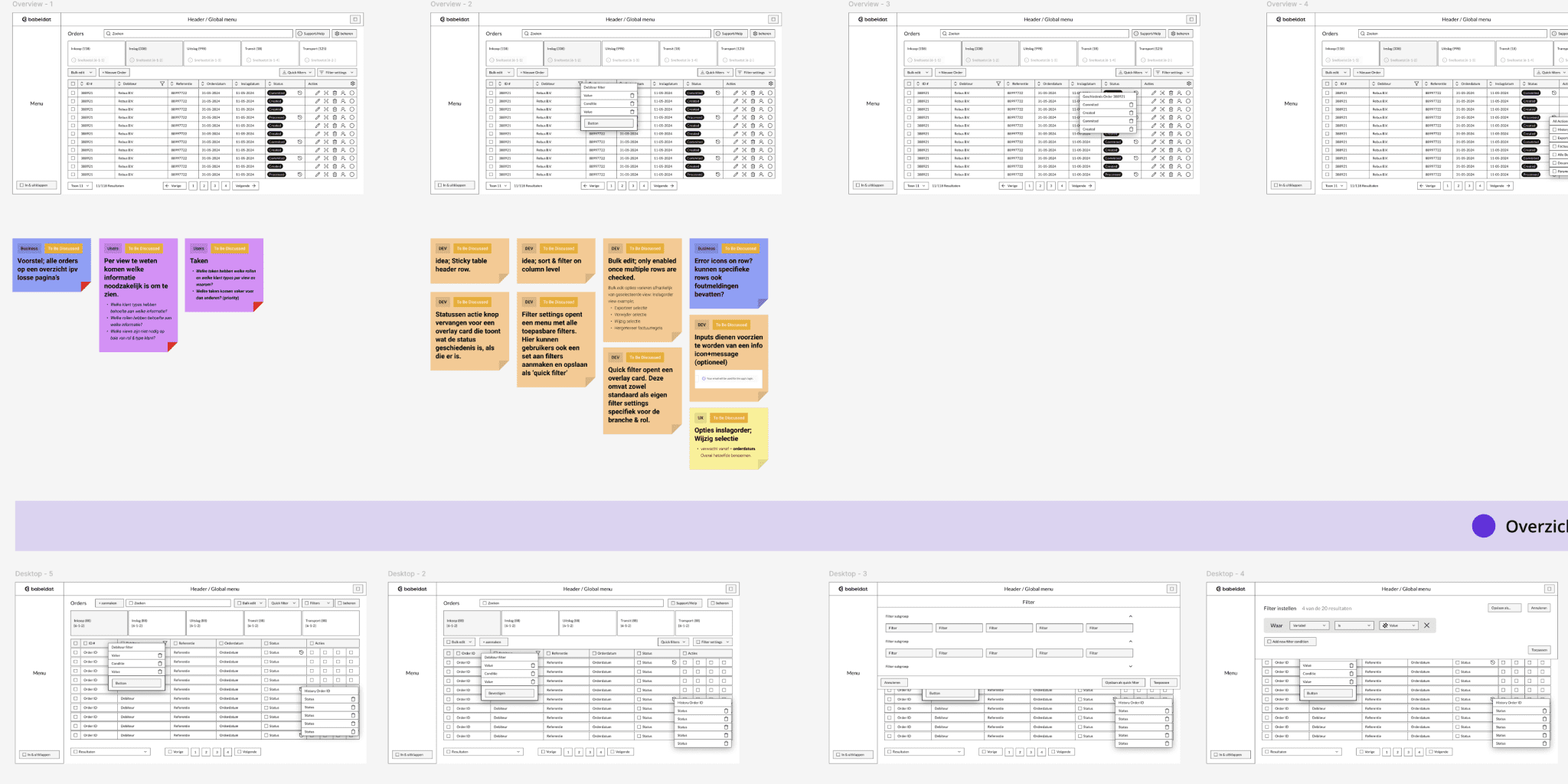
We challenged existing assumptions around functionality, flows and priorities. Clear choices were made to structure the ecosystem around the most common tasks, without allowing edge cases to define the system.
Rebranding
Babeldat was too closely tied to the corporate brand. We guided its repositioning as an independent product, introducing a clearer brand architecture and separation between company and product.
Client interviews
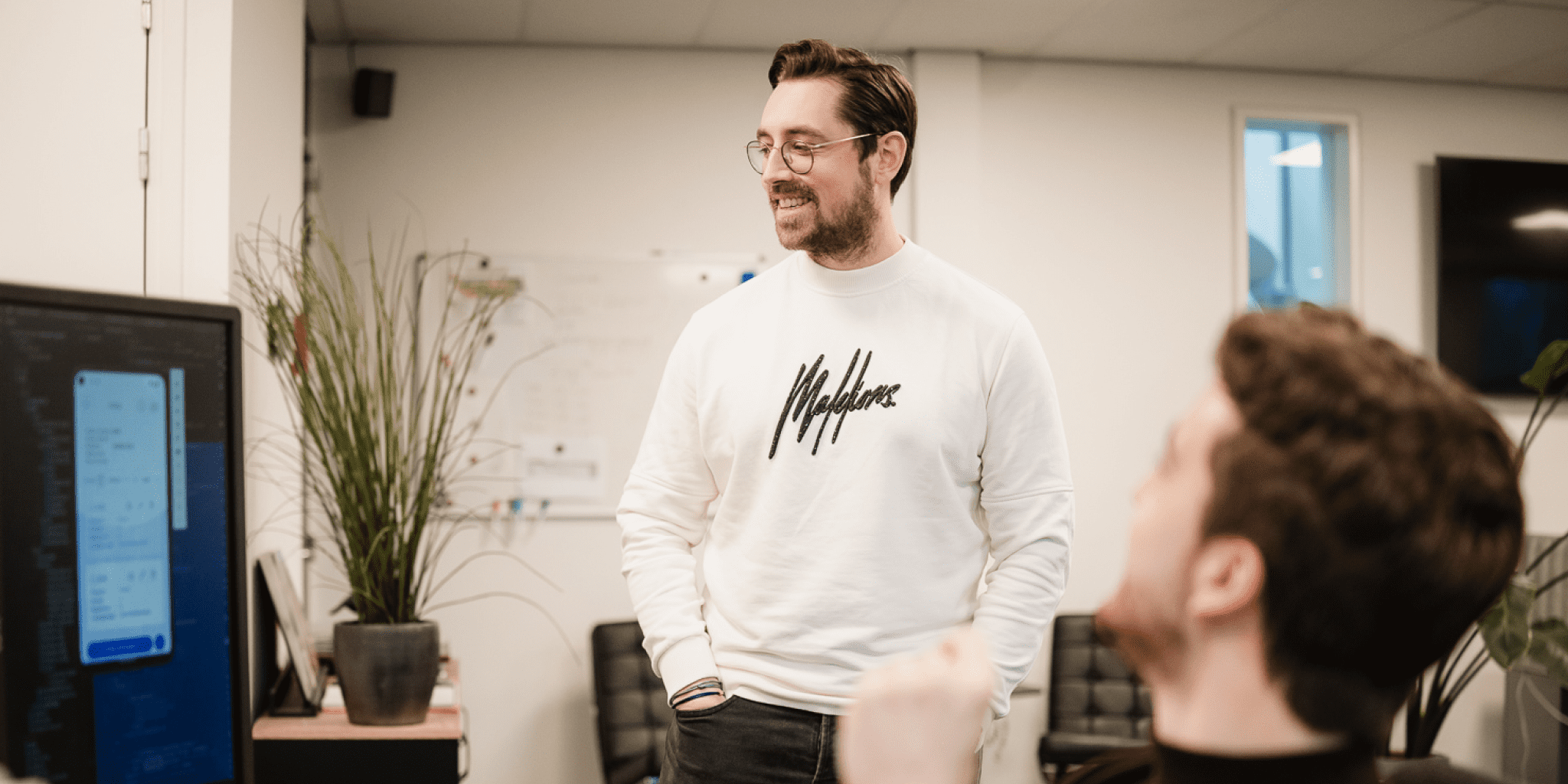
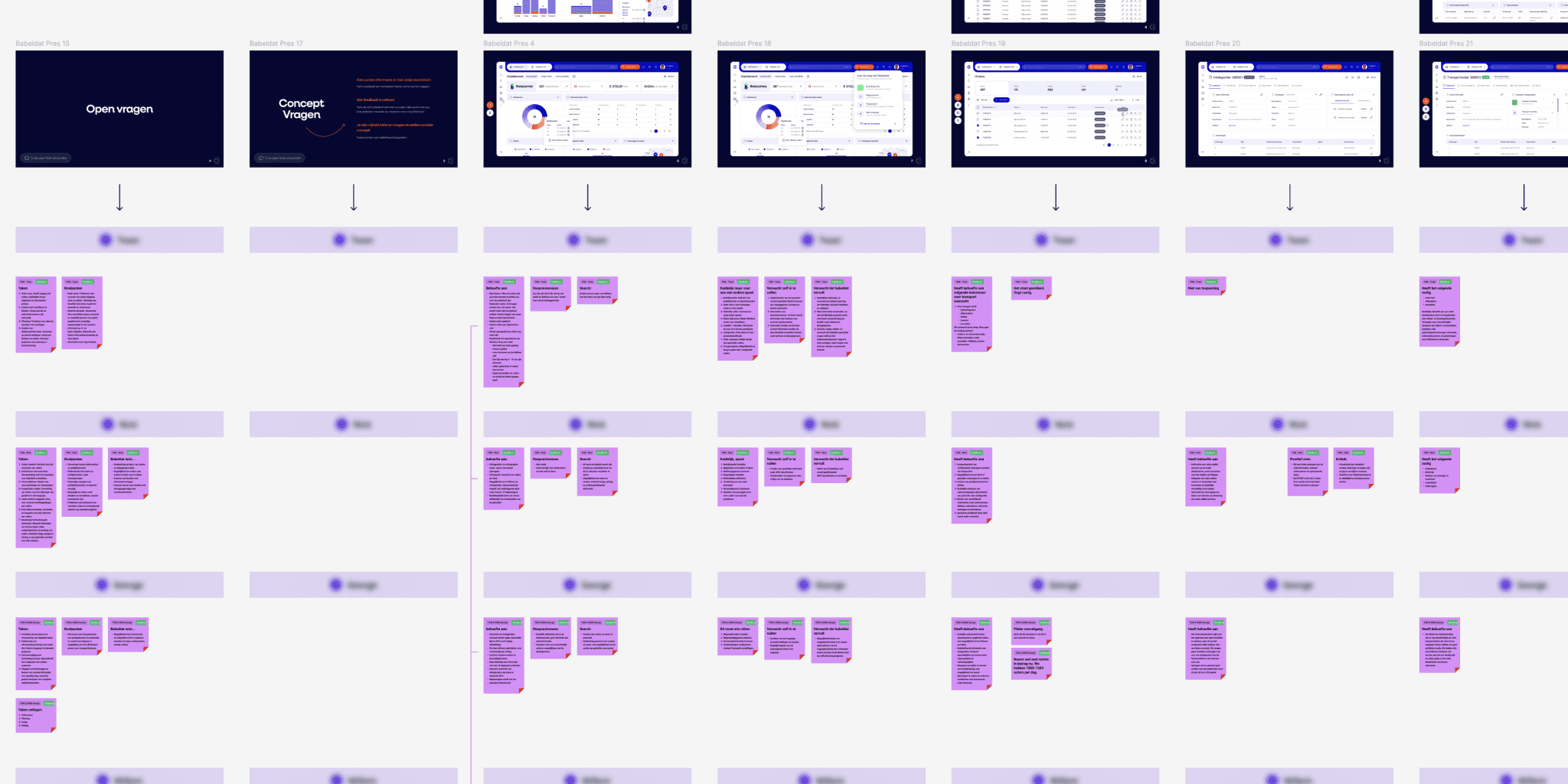
We spoke with users about their daily, weekly and recurring tasks. These conversations validated decisions around structure, terminology and sequence.
Implementation
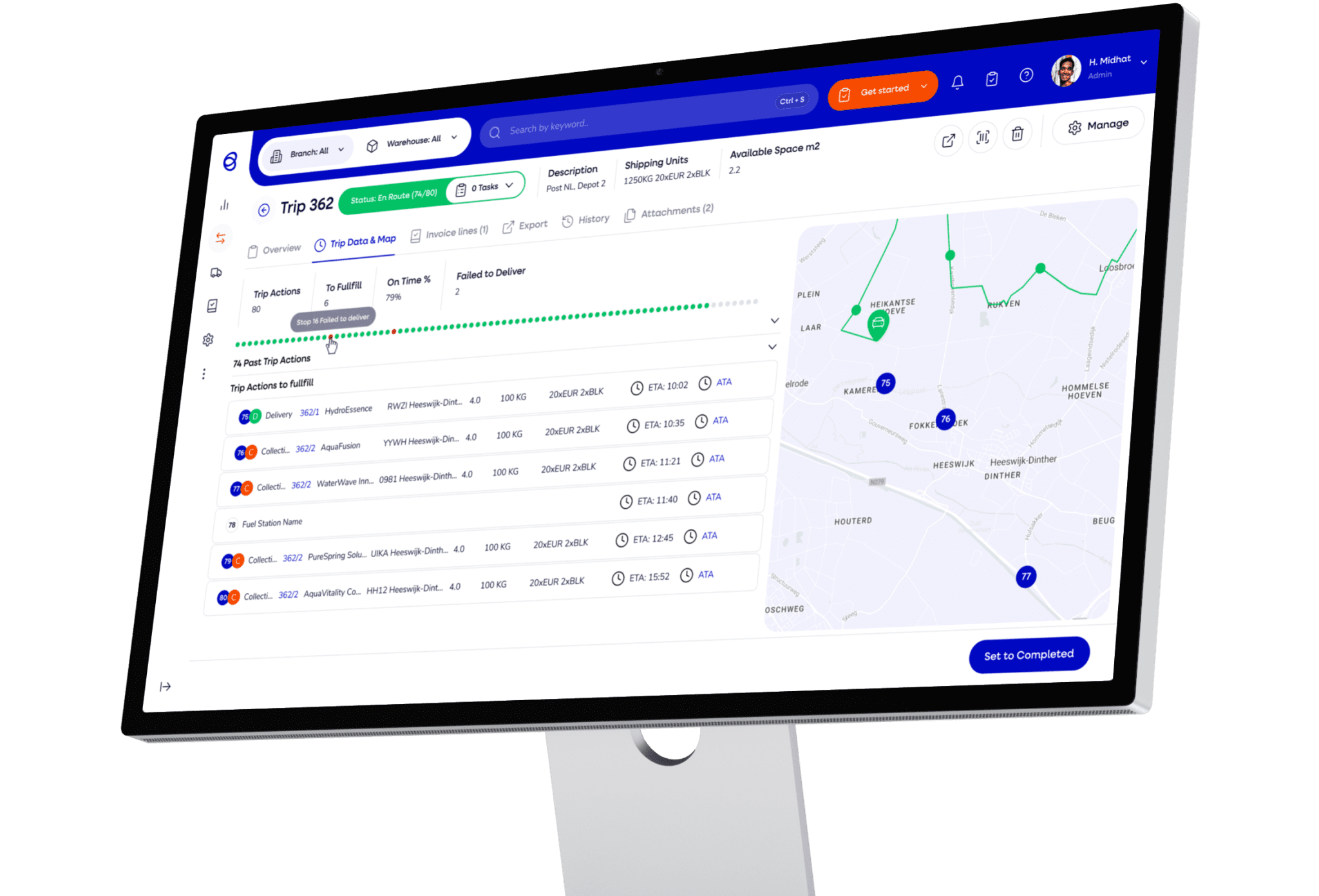
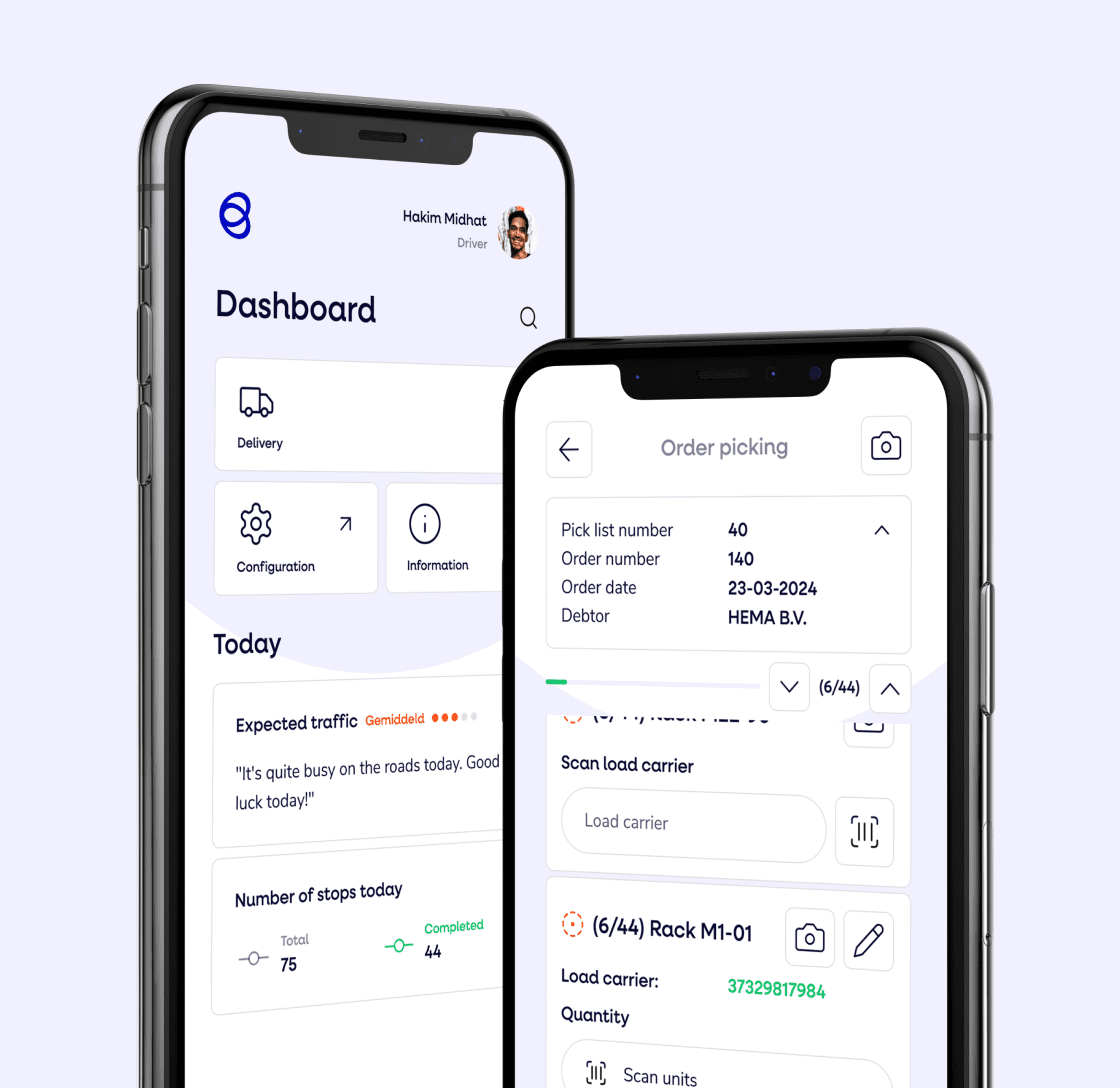
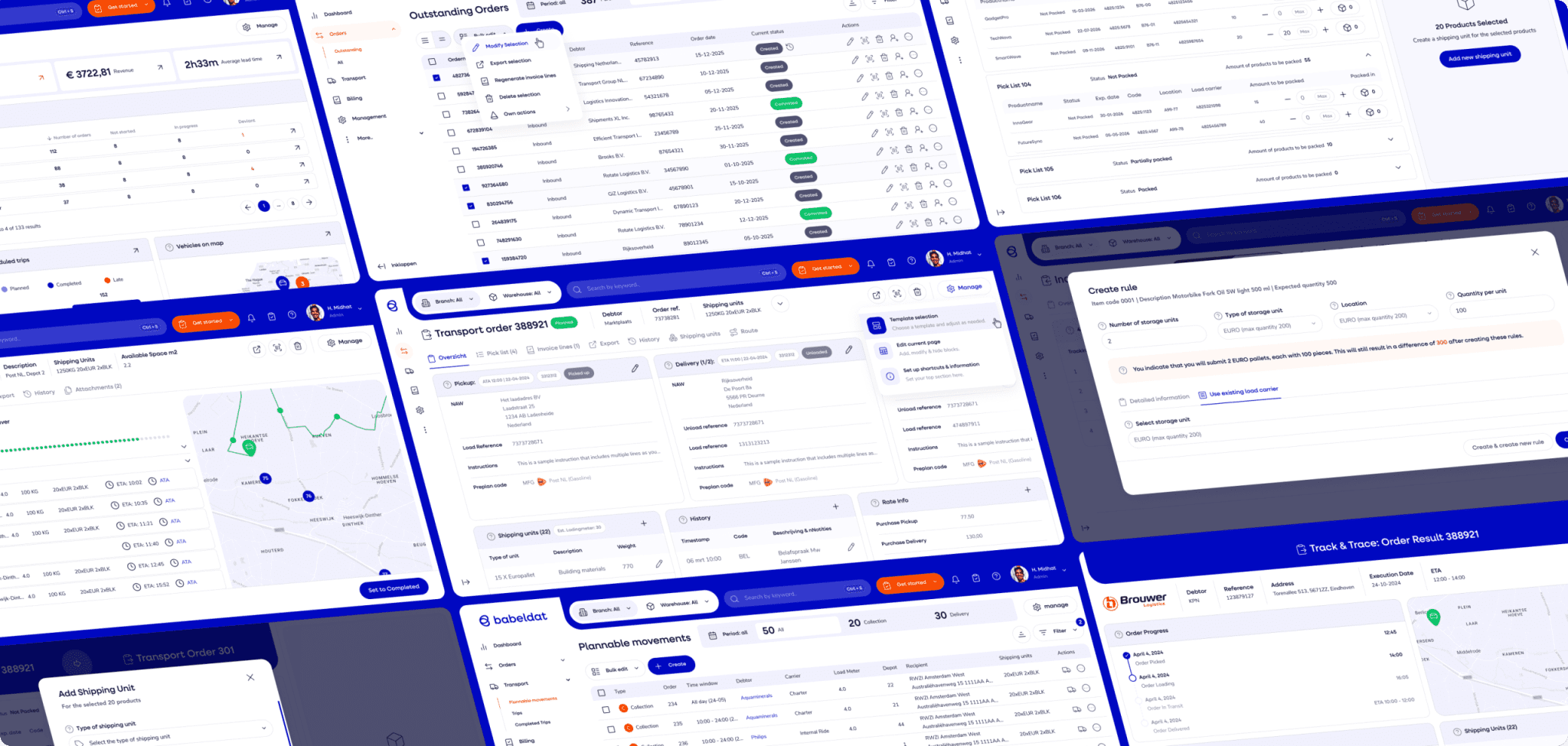
Within a tight timeframe, we worked closely with the Rigter team. We redesigned the Babeldat SaaS platform, the driver and warehouse apps, the corporate website, the dedicated Babeldat product website and a central knowledge environment. Throughout implementation, we safeguarded consistency and quality through clear design decisions, reviews and stakeholder alignment.
Results and impact
The transition required adjustment, but quickly resulted in a shorter learning curve. The digital landscape now operates as one unified system and is better prepared for future growth. Babeldat stands as an independent product with a clear structure and scalable foundation.


Bonjourney often needed only a few words to understand what was required and move forward. That was a pleasant surprise, especially given the complex jargon in our industry. We approached the collaboration with an open mind, and the impact turned out to be greater than expected. We would not hesitate to work with Bonjourney again.
Hugo van de Ven | Co-founder
Rigter
Involved members

Hakim
Lead Designer

Tessa
Designer